

By Andrea Caison, 2025–2026 English Literacy Tutor
In the quiet of the school library after lunch, seven-year-old Evan sits with a passage that seems to hold him hostage. I’m this second grader’s reading tutor, tasked to help with phonics, fluency, and understanding—not just decoding, but meaning and expression.
Our sessions begin with small wins. A timer ticks as we sound out syllables and learn sight words. The first victory comes when he reads a simple sentence aloud without stumbling. His eyes brighten, and the room feels a little larger for him.
Reading becomes a steady practice. We break passages into short “chunks,” matching pace to the text’s breadth. I point out punctuation, ask him to picture the scene, and predict what might happen next. He learns to read with expression, not just accuracy, and the classroom noise settles into a clear line of words.
There are rough days, too, with particular challenges—a tricky paragraph, unfamiliar words, or a difficult pace. We pause, re-read, and map ideas together. I tell him mistakes are data, not defeats. Each misread word becomes a clue to adjust our strategies, like breaking long passages into more manageable sections, noting unknown words, and re-reading for meaning.
As Evan’s progress increases, he smiles—steady and calm. I see the shift: reading isn’t being done to him; it’s something he’s doing for himself.
The words that seal his growth come as he stumbles through a challenging passage. He pauses, looks at the page, looks at me, and then whispers, “I can be brave with words.” He nods, gathers his courage, and continues reading with a deliberate, confident pace.
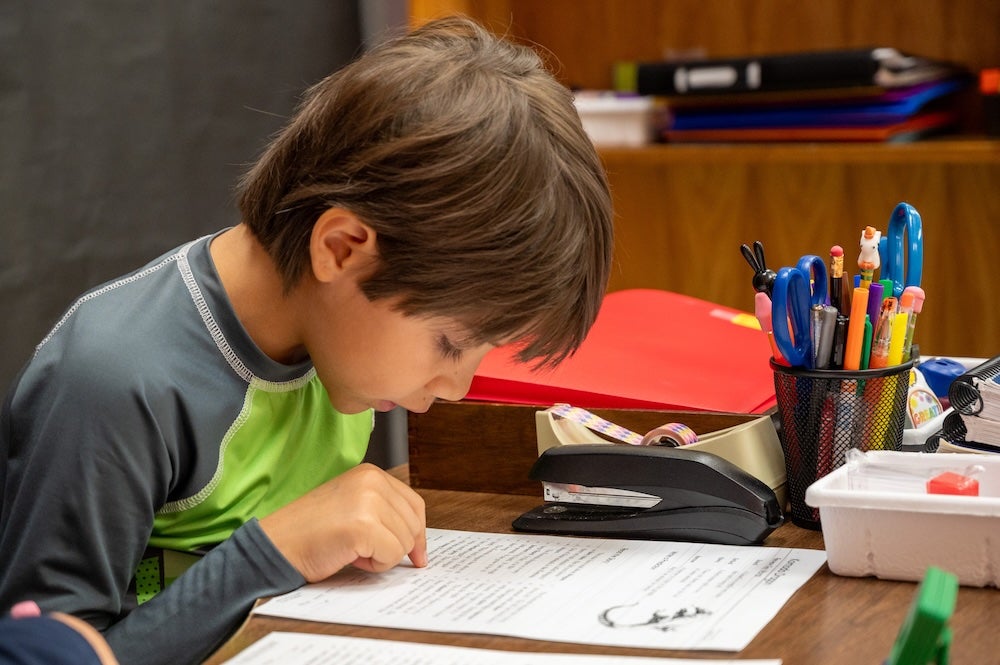
Days pass and his reading improves in small, undeniable ways. Evan’s fluency grows; he reads with a steadier rhythm and fewer hesitations. His comprehension deepens—he can explain what is happening, why it matters, and how characters feel. He starts asking questions about the texts, showing curiosity beyond decoding. His teacher notes a shift from dependence to independence in his reading choices.
Then comes the ultimate moment: Evan looks at a page, sounds out a tricky word, and, with a quiet but clear confidence, says, “Nothing can stop me now.” It’s not a brag; it’s a vow whispered to the page—and to himself.
That phrase becomes his compass. In subsequent lessons, he tackles longer reads and volunteers to read aloud with less prompting in class. He reads with purpose, not just accuracy. His confidence shows in his participation, his questions, and the way he carries himself around the room.
The intervention impact in a second-grade classroom is real, quiet, and enduring. His progress nudges the class toward a culture of patient practice, careful listening, and celebrating effort as much as achievement. The role of a tutor isn’t glamorous, but it’s steady: a reliable anchor for a young learner discovering how to trust his voice and his pace.
Literacy First tutoring has ripple effects. Not only does it allow students like Evan to improve their reading skills, it also boosts their confidence and shifts their attitudes toward learning. Evan worked on fluency and comprehension with his tutor, Andrea, unlocking a whole new world of finding meaning through text. As Andrea describes, Evan’s progress has been contagious, motivating other students in his second-grade class to practice, listen, and celebrate small successes.
Today is 40 for Forty, and your donation to Literacy First fuels these positive changes. Give today in honor of Evan, who found his confidence through reading. Your gift will allow more students to find their voice, move at their own learning pace, and discover the unstoppable power of literacy.

Andrea is serving as an AmeriCorps volunteer and English Literacy Tutor during the 2025–2026 school year. She plans to return as a tutor for the 2026–2027 school year. Before joining Literacy First, she taught kindergarten and first grade for 30 years. As a classroom teacher, Andrea saw firsthand how effective Literacy First was with her own students. After retiring last May, she decided that, since this program was such a benefit to her classes, she wanted to serve as a tutor to help more students.